
2026 Harvest
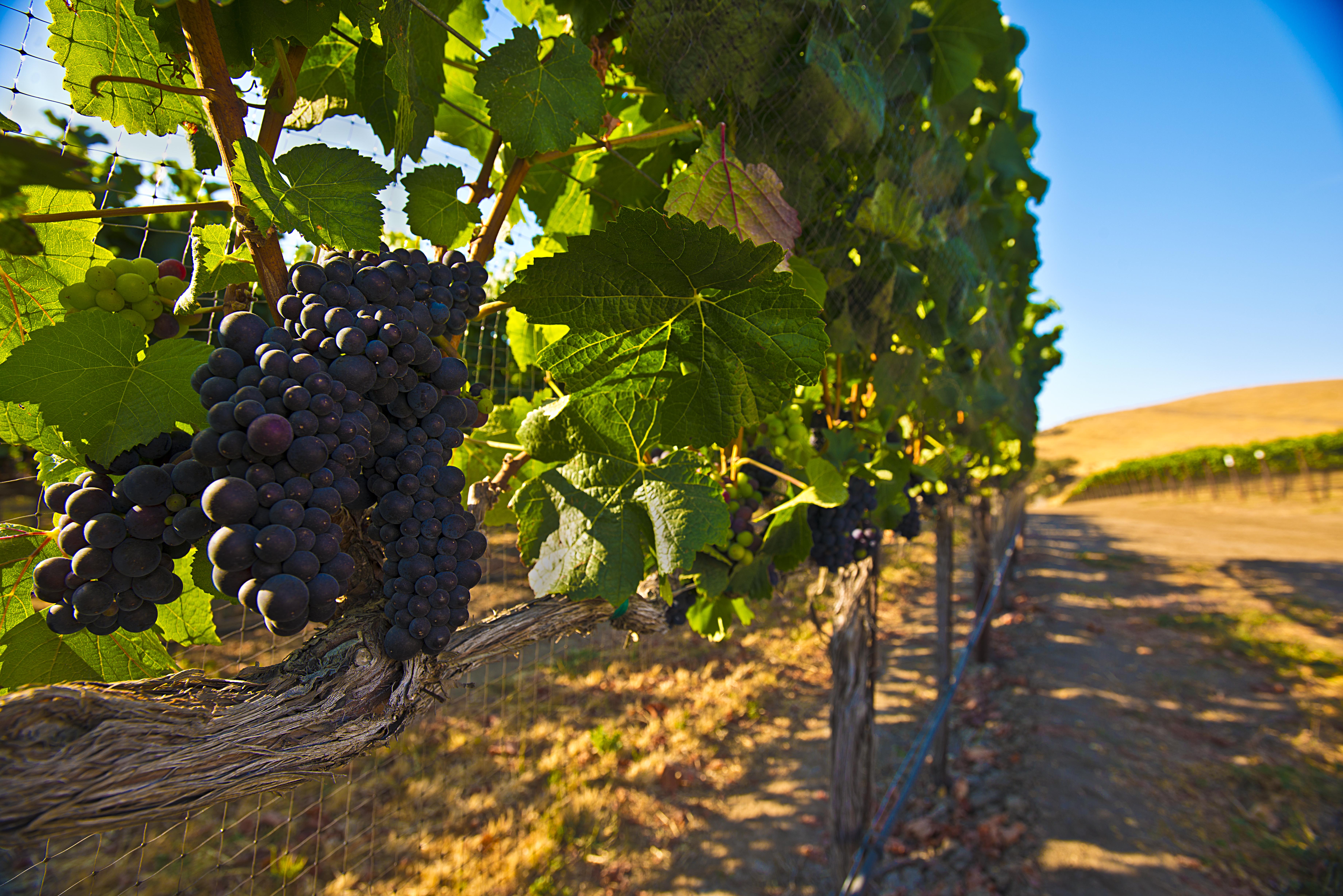
The Pacific Ocean is the driving force in California winegrowing. Marine fog and stiff afternoon breezes are a product of our proximity to several thousand miles of frigid water, giving us our unique, temperate Mediterranean climate. For vintage 2026, more than most years, the ocean set the terms. The vines, as they always do, went along for the ride.
It started thousands of miles offshore. An unusually strong El Niño warmed the eastern Pacific and delivered a winter and early spring which ran hotter than normal. The vine’s buds, never ones to miss an invitation, emerged around the same time as a certain prognosticating Pennsylvania groundhog. The vines did not get the memo from Phil. Instead of six more weeks of winter, they got six weeks of summer instead.
A balmy February sparked a rush of vegetative growth that advanced our vineyards weeks ahead of their usual pace (and creating a drawn out, nervous frost season that comes with early growth). Fortunately, a wet winter had already recharged the soil, so when the vines shook off dormancy, they had plenty of hydric reserves to draw on.
Early growth, though, came at a cost. The same warm spell that hurried budbreak was followed by a precipitous cool-down in April, and it seems the combination knocked yields down from their usual levels. Vineyards are stubbornly resistant to simple explanations; a dozen factors decide how many flower clusters form and how successfully those which survive will germinate after flowering. It's rarely obvious which variable did the damage, if it was even just one at all. Whatever the cause, smaller yields are never welcome news for a grower. Though this year, in a grape market that's anything but generous, the smaller crop load was easier to swallow than usual.
Then came the good news. Late spring and early summer settled into something wonderfully unremarkable: average temperatures, day in, day out. That kind of unglamorous consistency gave the vines a long, unhurried hangtime after veraison, the midsummer moment when the grapes change from green to red (or translucent and yellow for white grapes).
A great vintage is really just time and heat banked patiently in the grapes, building up what scientists call, with their flair for poetics, secondary metabolites. It's a rather graceless name for the suite of compounds responsible for turning a good Pinot Noir into a great one. An ordinary vintage into an exceptional one. In enology-speak, a long, cool post-veraison ripening season preserves malic acid, slows sugar accumulation to a sensible pace, lets unwanted green, vegetal aromas degrade, and, most importantly, gives those beguiling aromatic compounds and precursors — the secondary metabolites — the time they need to build up in the fruit. From where we're standing, 2026 had all of that in spades.
Just as crucially, the early start meant all this ripening finished before the heat spikes that typically arrive in September and October, which often prove to be the make-or-break factor determining vintage quality in Santa Barbara. At Ken Brown, we picked our first fruit, Rio Vista Pinot Noir bound for rosé, on August 7th, and closed out harvest on August 28th with Pinot Noir from Fiddlestix. Despite one of our earliest harvests on record, the fruit itself looked the part: rich color, steady pH, and sugar levels, small, concentrated berries, and clusters loose and open enough to let the air move through (a real asset in a year when humidity ran high and disease pressure came knocking). For those who don't dabble in the pedantic patois of winemakers, we even saw some purple teeth and ear-to-ear smiles from Ken after tasting the berry development at Rancho La Vina... which is always a good sign.
All told, it's shaping up to be a very good year in the Sta. Rita Hills. But like raising children, you never quite know what you've got until it's grown up. No two vintages, like no two years, ever turn out quite the same, which is part of the fun. From here on out we’ll do our best to do right by the bounty Mother Nature gifted us in the cellar.